







Not All Silk Starts the Same
There is silk, and then there is silk done properly.
The difference starts at the filament level. High-quality silk is produced from long, continuous filaments reeled carefully from the cocoon. These uninterrupted strands create yarns that are smoother, stronger, and more consistent from start to finish.
Lower-grade silk is made from shorter fibers spun together. That shortcut reduces cost, but it also introduces weakness into the yarn. Over time, those weak points show up as pilling, surface fuzz, snags, and a fabric that loses its integrity far sooner than it should.
Cruelty-free silk also matters. Traditional silk production often involves boiling the cocoon with the silkworm inside, breaking the filament but ending the life of the worm. Higher-end, ethically minded producers instead use cruelty-free (often called peace silk or Ahimsa silk) methods that allow the moth to emerge before the fibers are collected. While this process is slower and more expensive, it aligns quality with responsibility, producing silk that reflects care at every stage, not just in how it looks or feels.
Weight is another key marker of quality, measured in momme (pronounced mo-mee). For men’s silk shirts, the ideal range is typically between 16 and 19 momme. This weight provides enough density for durability, opacity, and structure without sacrificing drape or breathability. Fabrics under 16 momme are noticeably thinner and more fragile, making them better suited for scarves or lightweight accessories rather than menswear that’s expected to hold its shape and stand up to regular wear.
Filament Length Is the Foundation
Long filaments create yarns with fewer joins and fewer stress points. This matters more than most people realize.
Silk made from long filaments wears evenly. It maintains a clean surface and resists breakdown at high-friction areas like cuffs, collars, and seams. Short-fiber silk may feel soft at first touch, but it degrades quickly once worn regularly.
Quality silk is built to hold together, not just look good out of the box.
Weave Structure Determines Durability
Silk is often judged by feel alone, but construction tells the real story.
A well-woven silk fabric balances tension, density, and alignment. When these elements are correct, the fabric drapes naturally while maintaining strength.
• Balanced tension prevents distortion over time
• Dense weaves resist abrasion and pulling
• Proper yarn alignment preserves shape and flow
Silk that feels overly delicate is often poorly constructed, not refined. True quality silk has substance. It moves cleanly, holds its form, and does not collapse under its own weight.
Weight and Density Matter
Lightweight silk can be exceptional when density is preserved. Problems arise when weight is reduced by using fewer filaments instead of finer ones.
High-quality silk maintains enough filament density to support the fabric’s structure. This creates better opacity, longer lifespan, and more consistent performance. The fabric feels intentional rather than flimsy.
Quality is not about heaviness. It is about balance.
Chemical Finishing Can Be Misleading
Many mass-produced silks rely on chemical softeners or artificial brighteners to create instant appeal. These treatments make fabric feel luxurious at first, but they wash out quickly and often weaken the fiber in the process.
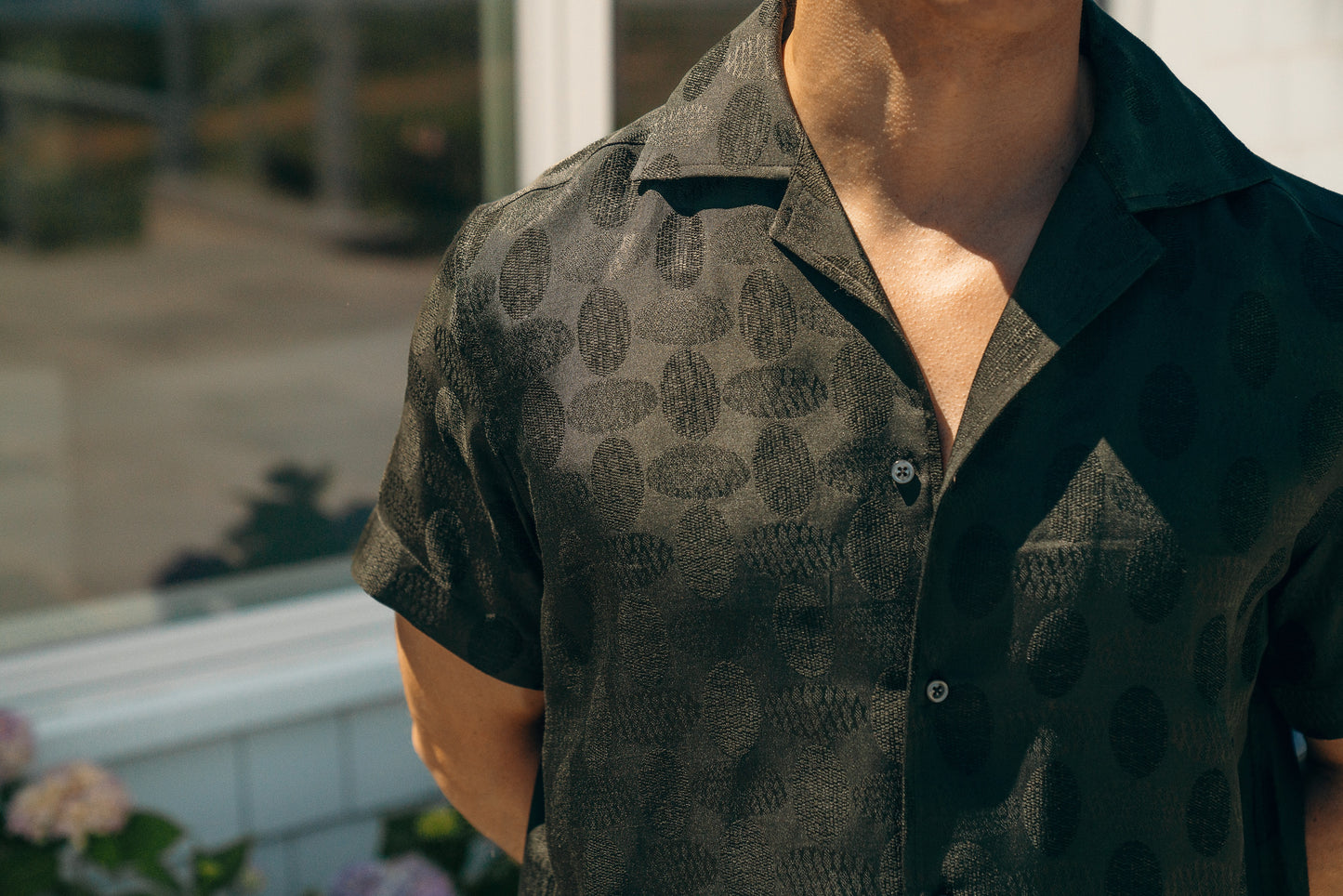
High-quality silk relies on its natural luster. The sheen comes from the filament itself, not from surface treatments. Over time, this kind of silk maintains its appearance instead of fading into dullness or fragility.
How Quality Silk Performs Over Time
Good silk improves with wear. It adapts to temperature, feels comfortable across seasons, and maintains a consistent surface even after repeated use.
It resists excessive wrinkling, does not rely on shine to signal quality, and holds its character through years of ownership. The difference becomes clearer the longer you wear it.
Silk as a Functional Luxury Fabric
When selected and constructed correctly, silk is not fragile or impractical. It is durable, versatile, and suited for regular wear.
High-quality silk earns its place in a wardrobe through performance, not decoration. It is refined without being precious and resilient without being rigid.
That balance is what separates true silk from silk that simply looks the part.