







Pure cashmere gets most of the attention, but some of the most useful luxury pieces in a man's wardrobe are blends. Not because they are lesser. Because they are built for a different job.
A cashmere crewneck should feel soft, warm, and refined. A cotton-cashmere sweatshirt needs comfort, structure, and casual durability. A bamboo-cashmere polo should drape cleanly and breathe. A cashmere-silk tee should feel smooth, light, and elevated against the skin.
That is the point of blending. The goal is not to dilute cashmere. The goal is to make the finished garment better for how it will be worn.
Our knitwear is built around that idea. We use fabric as a tool, not a label. The right blend can give you softness without fragility, polish without formality, and everyday wear without losing the luxury feeling that brought you to cashmere in the first place.
If you are comparing pure cashmere with blended pieces, start with our cashmere collection and tops. Then use this guide to understand what each partner fiber actually contributes.
Why Blend Cashmere at All?
Cashmere is prized for softness, warmth, and lightness. But not every garment should behave like a traditional cashmere sweater. A hoodie, polo, tee, sweatshirt, or travel layer has different demands.
Blending lets us tune the fabric. Cotton can add familiarity and casual durability. Bamboo can add drape, breathability, and a smooth hand. Silk can add elegance, softness, and a subtle sheen. Wool can add structure and resilience.
The important question is purpose. If the blend makes the garment better, it belongs. If cashmere is added only so the product name sounds expensive, it does not.
A good blend should answer one of these questions:
-
Does it make the garment easier to wear?
-
Does it improve drape or shape?
-
Does it add softness without making the piece too delicate?
-
Does it help the piece work across more seasons?
-
Does it make a casual garment feel more refined?
If the answer is yes, the blend is doing real work.
Cotton-Cashmere: Casual Durability with a Softer Hand
Cotton-cashmere is one of the easiest blends to understand because both fibers bring something useful.
Cotton gives the garment familiarity, structure, and everyday ease. Cashmere softens the hand, adds warmth, and makes a casual piece feel more refined. Together, they work especially well in sweatshirts, hoodies, casual shirts, and relaxed layers.
This is the blend for the man who wants comfort without looking like he gave up on the outfit. A cotton-cashmere sweatshirt can still feel casual, but it has a better hand and a more elevated presence than a standard cotton fleece. A cotton-cashmere shirt can sit in the wardrobe between a basic cotton top and a full knit.
The point is not to make cotton behave like pure cashmere. It is to give everyday cotton pieces a softer, more considered feel.
Best for
-
Sweatshirts
-
Hoodies
-
Casual shirts
-
Easy weekend layers
-
Everyday pieces that still need structure
If your wardrobe is built around comfort, start here. Cotton-cashmere is one of the most practical ways to bring cashmere into regular rotation.
Bamboo-Cashmere: Drape, Breathability, and Easy Polish
Bamboo-cashmere has a different personality. Bamboo contributes softness, drape, and breathability. Cashmere adds warmth, hand feel, and refinement. Together, they can create pieces that feel relaxed but still polished.
This is especially useful in polos and lighter tops. A bamboo-cashmere polo does not need to feel like a traditional sweater. It can feel fluid, breathable, and soft while still looking cleaner than an ordinary polo.
That matters because many men want pieces that sit between casual and dressed. Not a dress shirt. Not a gym shirt. Not a heavy sweater. A bamboo-cashmere polo can live in that middle space.
It works with trousers, denim, shorts, linen, and light jackets. It can be worn on its own or under another layer. It gives you softness without the full warmth of a cold-weather knit.
Best for
-
Polos
-
Lightweight tops
-
Warm-weather luxury layers
-
Travel pieces
-
Relaxed outfits that still need polish
If you want cashmere softness in a garment you can wear beyond the coldest months, bamboo-cashmere is worth understanding.
Cashmere-Silk: Smoothness, Sheen, and Skin-Level Luxury
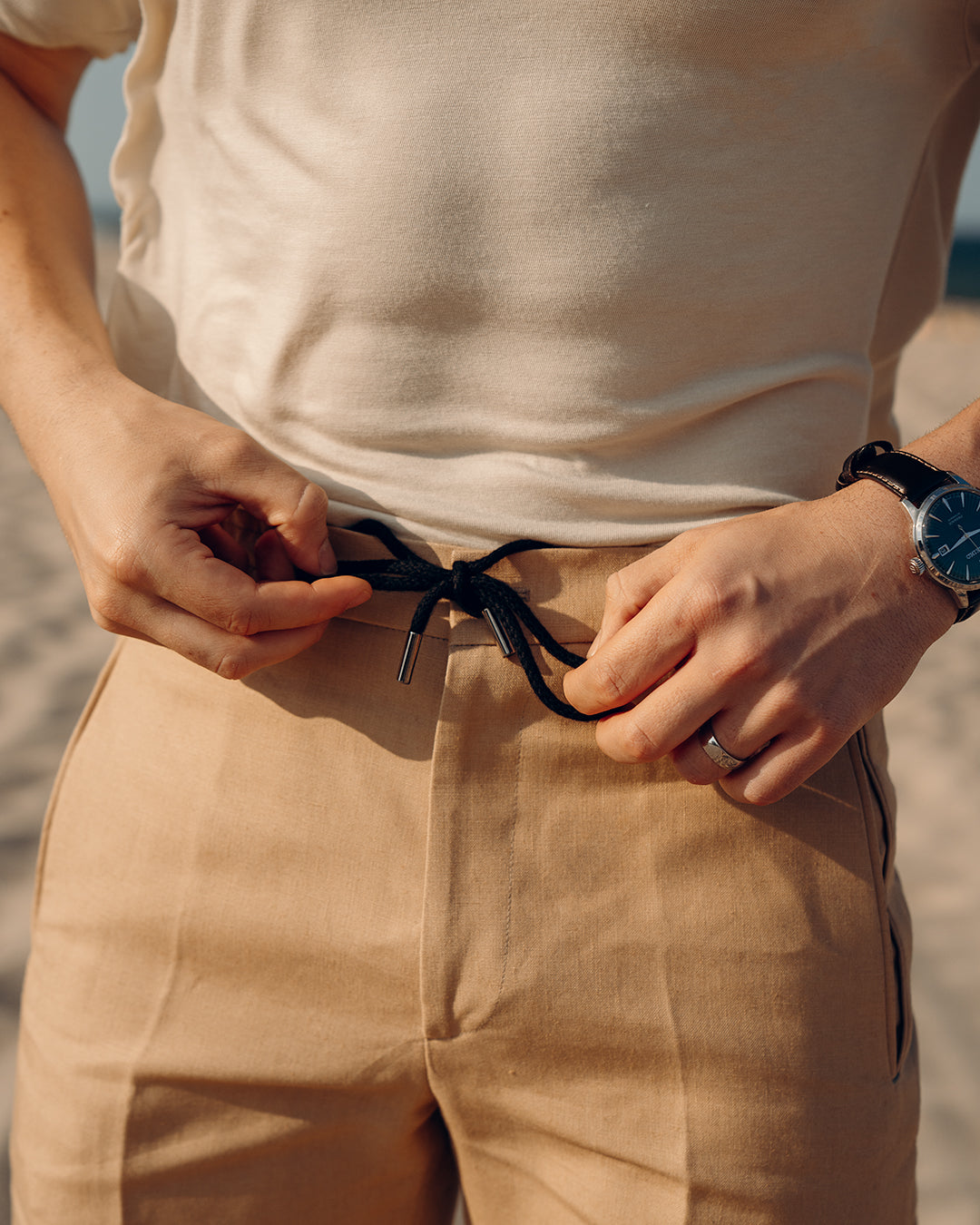
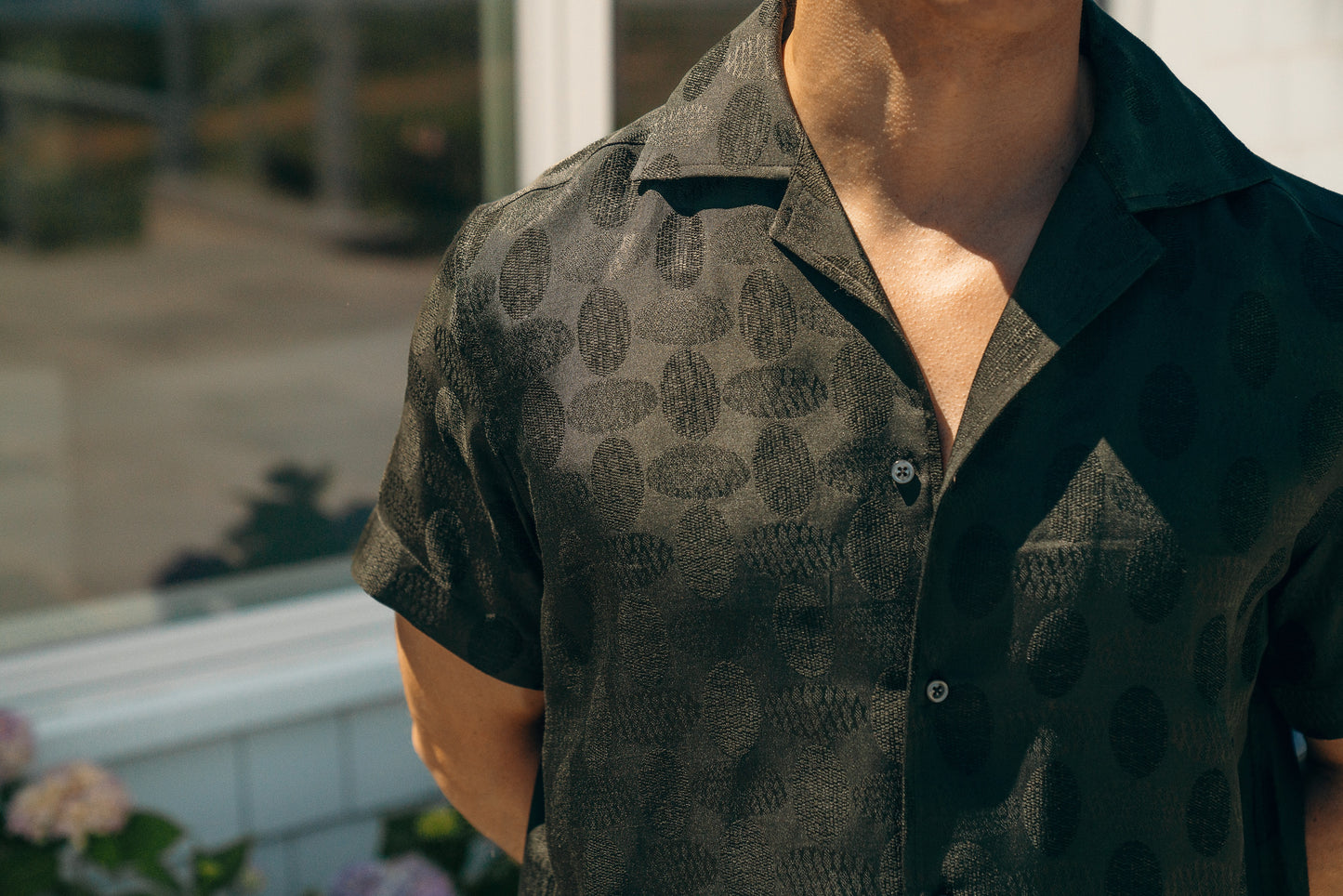
Cashmere-silk is the most refined of the blends in this group. Silk adds smoothness, strength, lightness, and a subtle natural sheen. Cashmere adds softness and warmth. The result can feel elegant without being loud.
This blend makes sense for tees, fine-gauge layers, and pieces worn close to the skin. It is not trying to be rugged. It is trying to feel better than a basic tee while still remaining easy to wear.
A cashmere-silk tee can sit under a jacket, cardigan, overshirt, or cashmere sweater. It can also stand alone when the cut is right. The silk helps the surface feel smoother. The cashmere keeps it soft and elevated.
This is the blend for the man who notices texture. The difference is not about a big visual statement. It is about how the piece feels when you put it on.
Best for
-
Tees
-
Fine-gauge layers
-
Under-jacket pieces
-
Elevated basics
-
Skin-level comfort
If pure cashmere feels too warm for the piece you want, cashmere-silk can offer a lighter, smoother kind of luxury.
Wool-Cashmere: Structure with Softness
Wool-cashmere sits closer to classic knitwear. Wool brings structure, resilience, and shape. Cashmere brings softness and a more luxurious hand. The blend can work beautifully when you want a sweater or knit layer to hold its form while still feeling softer than standard wool.
This is useful for cardigans, polos, sweaters, and cold-weather layers that need body. Pure cashmere can be incredibly soft, but it may not always provide the structure a garment needs. Wool can help the piece keep a cleaner silhouette.
Our wool collection is useful for understanding this side of fabric choice. Wool is not just the practical alternative to cashmere. It is a luxury fiber with its own strengths. When the two are blended well, you get softness and stability together.
Best for
-
Cardigans
-
Structured sweaters
-
Knit polos
-
Transitional layers
-
Pieces that need shape and softness
If you like cashmere but want more structure, wool-cashmere is often the better answer than chasing the softest possible pure cashmere.
How to Read a Blend Label
The percentage matters, but it does not tell the whole story.
A garment with 10% cashmere can be purposeful if the base fiber carries the structure and the cashmere noticeably improves the hand. A cotton-cashmere sweatshirt, for example, does not need to be mostly cashmere to feel better than standard cotton. The cashmere is there to soften and elevate the piece.
But a low cashmere percentage can also be marketing if the finished garment does not feel different. That is the test. Do you feel the benefit? Does the blend make sense for the garment? Does the piece wear better because of it?
Do not judge blends by purity. Judge them by performance.
A good label should lead you to ask better questions: What is the garment for? What does each fiber contribute? Does the fabric support the cut? Would pure cashmere actually make this piece better, or just more delicate?
Pure Cashmere or Blend?
Choose pure cashmere when softness, lightweight warmth, and refined cold-weather comfort are the point. A crewneck, turtleneck, scarf, beanie, or fine sweater can be beautiful in pure cashmere because those garments benefit from the fiber's natural strengths.
Choose cotton-cashmere when you want casual pieces with a softer hand. This is the path for sweatshirts, hoodies, and easy layers.
Choose bamboo-cashmere when you want drape, breathability, and softness in a polo or light top.
Choose cashmere-silk when you want something smooth, light, and elevated close to the skin.
Choose wool-cashmere when you want structure with added softness.
There is no single best option. The best fabric is the one that makes the garment do its job better.
How Blends Fit Into a Better Wardrobe
A strong wardrobe is not built from one fiber. It is built from materials that solve different problems.
Pure cashmere gives you softness and warmth. Wool gives you structure and resilience. Cotton gives you familiarity and ease. Bamboo gives you drape and breathability. Silk gives you smoothness and refinement. Linen gives you air and texture.
That is why our luxury fabrics approach matters. Fabric is not an afterthought. It is the reason one piece feels casual, another feels elegant, and another becomes the layer you travel with every time.
Blends belong in that system. They are often the pieces you wear most because they balance luxury with real life.
The Final Take
Cashmere blends are not second place to pure cashmere. They are a different tool.
Cotton-cashmere is for soft everyday comfort. Bamboo-cashmere is for drape and breathability. Cashmere-silk is for smooth, refined layers. Wool-cashmere is for structure with a better hand.
When the blend has a reason, the garment becomes easier to wear. That is the whole point. Luxury should not make your wardrobe more complicated. It should make the right pieces feel better, last longer, and fit more naturally into the way you dress.
Browse our tops, cashmere collection, and best selling pieces to compare how different blends work across real garments.